
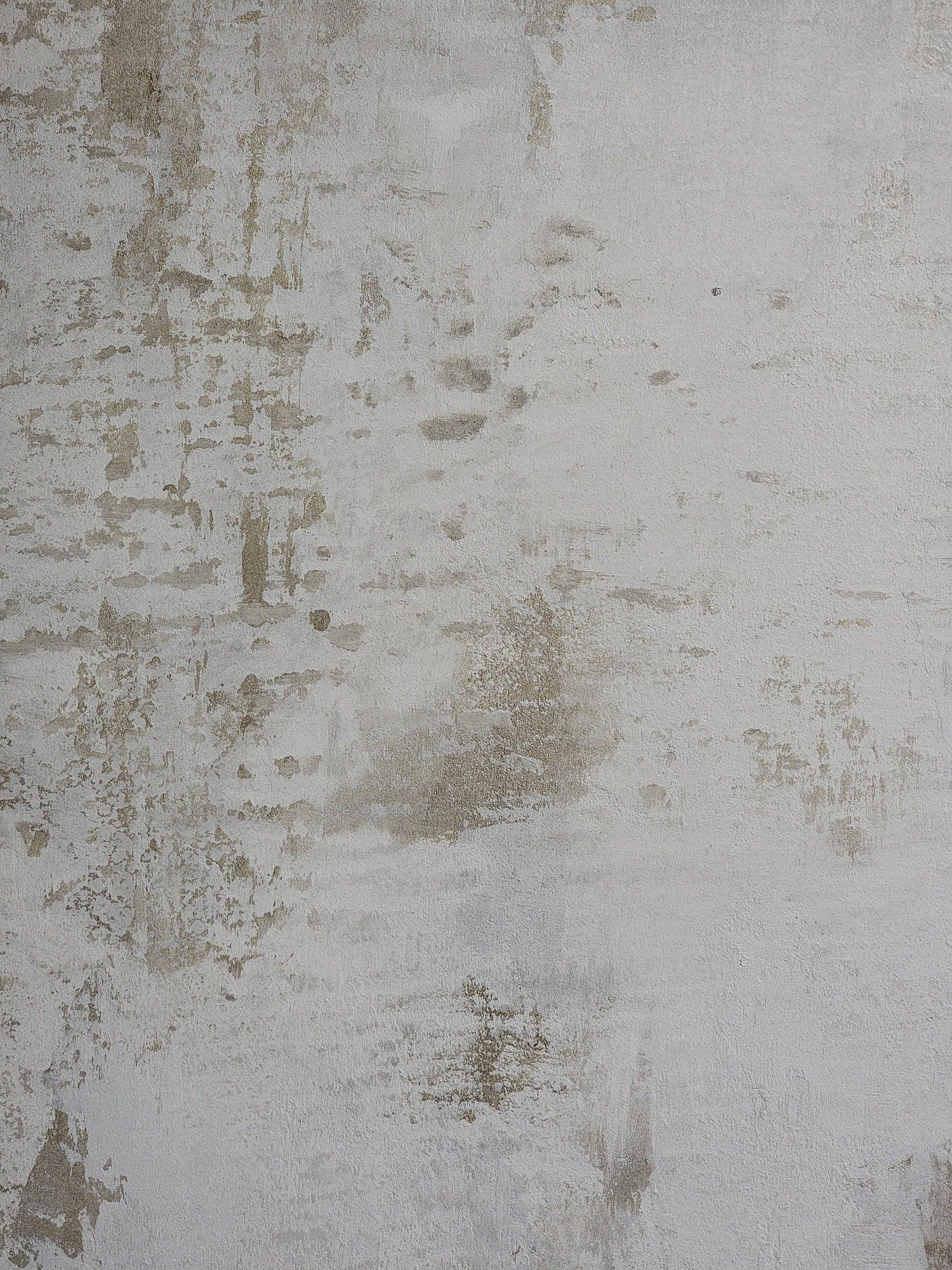
Travertino Romano
This versatile antique stone finish is created with Travertino Romano, a new product from Oikos formulated using derivatives of marble stone, transformed into dust and emulisfied with special binders. It is a thick coating that takes on the appearance of cut stone with an easy to apply coating.
To create this finish, spread Travertino Romano over the surface using an inox steel trowel. Immediately proceed to work by dabbing the surface to create the irregular veins of Travertine stone. On the remaining areas, dimple the surface in an irregular fashion. Once the product has started to dry, proceed to smooth over the surface for the first time, using an inox steel trowel, compacting the most evidently dimpled patches.
When the surface of the product is nearly completely dry, repeat the smoothing over of the surface using greater pressure until the surface is smooth in large areas with dimpled veins running across it that imitate the veins of Travertine stone.
To reproduce the joints between the various blocks, once the surface has been smoothed over and compacted, score into the surface of using the corner of a small spatula or a screwdriver thus obtaining a block design of the desired dimensions. To obtain a straight line, use a wooden plank as a guide. Leave the product to dry for at least 24 hours before proceeding with the application of the finish.
Apply by brush, one coat of uncolored Travertino Romano Finitura ready to use, taking care to apply the product only over the smooth areas of the surface and avoiding that it penetrates into the dimpled areas that recreate the veins of Travertine. Wait until the first coat of the finish is dry and then proceed with the application of the second coat of Travertino Romano Finitura, diluted 50% with drinkable water.
Eliminate any excess product using a sponge to obtain a light - dark effect, caused by the differences in absorption between the smooth areas of the surface and the dimpled areas that recreate the veins of Travertine.
For more information about Travertino Romano, please click here.
|